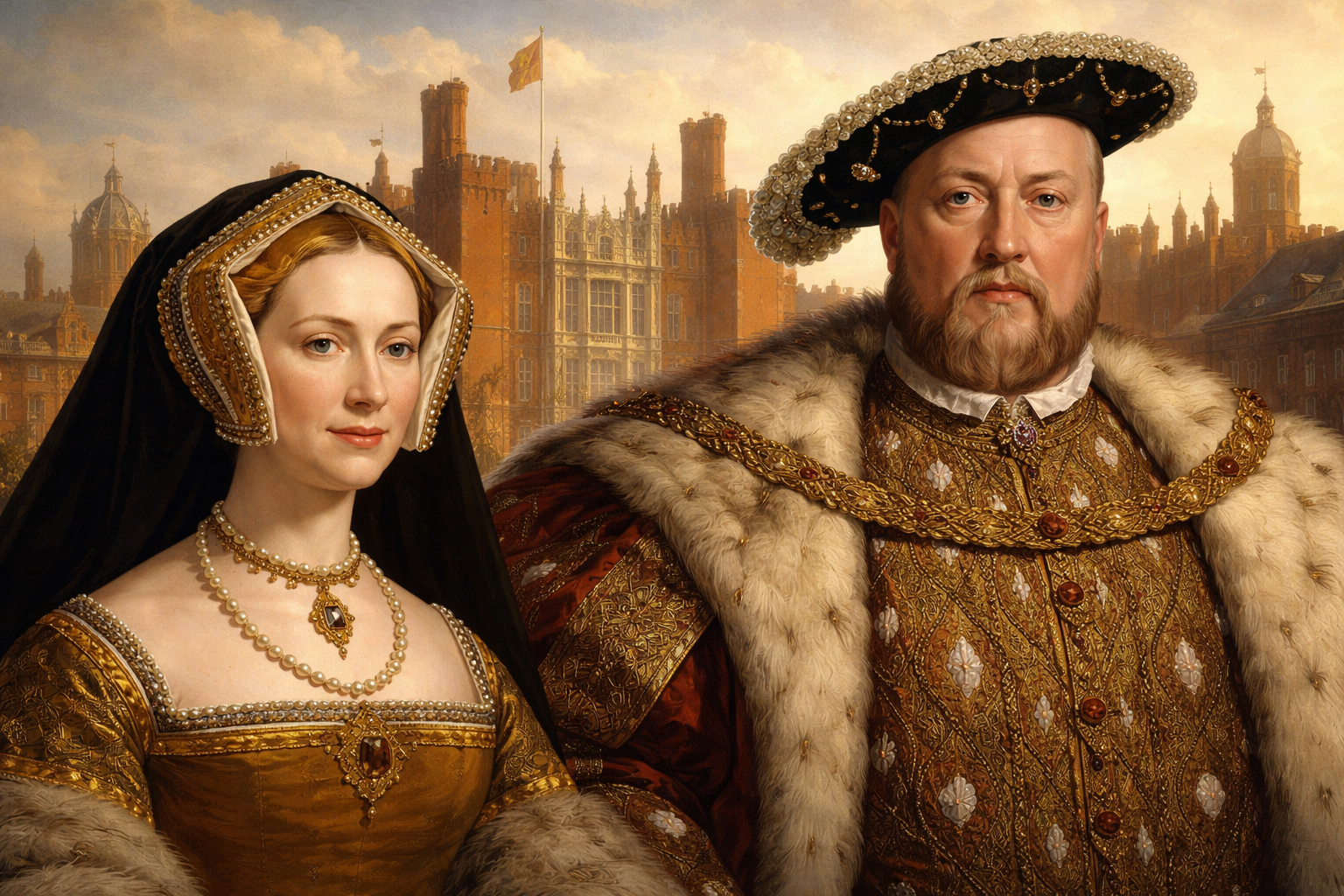
Jane Seymour King: Life, Power, and Tudor Legacy
The phrase jane seymour king often appears in searches from readers trying to understand Jane Seymour’s place in English royal history and her connection to kingship during the Tudor era. While Jane Seymour was never a king herself, she played a defining role as Queen of England and as the wife of King Henry VIII. Her influence shaped the monarchy, succession, and religious balance of sixteenth-century England in ways that still matter today.
This article is written to clear confusion, add historical depth, and give a people-first explanation of who Jane Seymour was, why she mattered, and how her short life left a long political and cultural legacy. Where historical records are uncertain, that uncertainty is stated clearly. The goal is accuracy, clarity, and genuine insight rather than recycled surface-level history.
Understanding the Search Term “Jane Seymour King”
Before diving into her life, it is important to clarify what people usually mean when they search for this phrase.
Was Jane Seymour a King?
No. Jane Seymour was Queen Consort of England, not a reigning monarch. She became queen through marriage to King Henry VIII in 1536. The word “king” in this context reflects her direct connection to royal power rather than her holding the crown in her own right.
Why the Phrase Exists
People often use simplified or informal phrases when searching online. In this case, the term usually signals interest in:
- Jane Seymour’s relationship with King Henry VIII
- Her political influence within the Tudor monarchy
- Her role in producing a male heir
- Her historical importance compared to Henry VIII’s other wives
Understanding this intent helps frame her story correctly and respectfully.
Early Life of Jane Seymour
Jane Seymour was born around 1508 into a respectable but not royal English family. The Seymour family belonged to the landed gentry, meaning they were well connected but not at the top of the noble hierarchy.
Family Background
- Father: Sir John Seymour of Wolf Hall in Wiltshire
- Mother: Margery Wentworth, connected to several noble families
- Siblings: Edward Seymour and Thomas Seymour, both of whom later rose to power
Jane’s upbringing focused on household management, piety, and obedience. Unlike some courtly women, she received limited formal education. This shaped her personality and later public image.
Personality and Reputation
Historical accounts consistently describe her as:
- Quiet and reserved
- Deeply religious
- Traditional in values
- Skilled in domestic roles
These traits would later be used to position her as the opposite of Anne Boleyn, her predecessor.
Entry Into the Tudor Court
Jane Seymour entered royal service as a lady-in-waiting, first to Catherine of Aragon and later to Anne Boleyn. This placed her at the center of Tudor politics at a critical time.
Life as a Lady-in-Waiting
Being a lady-in-waiting meant more than ceremonial duties. These women observed political shifts, religious debates, and royal tensions up close. Jane learned how court power worked, even if she did not openly participate in it.
Relationship With Henry VIII
Henry VIII noticed Jane in the mid-1530s, during the decline of his marriage to Anne Boleyn. Jane’s modest behavior and refusal to become his mistress increased her appeal. This strategy, whether guided by her family or instinct, proved effective.
Marriage to King Henry VIII
Jane Seymour married Henry VIII on May 30, 1536, just days after Anne Boleyn’s execution. The speed of the marriage highlights its political urgency.
Why Henry VIII Chose Jane Seymour
Henry’s motivations were clear:
- He wanted a legitimate male heir
- He desired stability after years of religious and marital upheaval
- He preferred a queen who fit traditional ideals
Jane represented continuity, obedience, and fertility, qualities Henry believed essential for dynastic security.
Coronation and Public Image
Unlike other queens, Jane was never crowned. Historians suggest Henry delayed the coronation until she produced a male heir. This decision reveals how strongly her value was tied to succession.
Jane Seymour as Queen of England
Jane’s queenship lasted only about seventeen months, yet it was historically significant.
Role at Court
As queen, Jane focused on:
- Acting as a mediator between Henry and his daughters
- Promoting traditional religious practices
- Maintaining a calm and dignified court atmosphere
She successfully encouraged Henry to reconcile with Princess Mary, restoring her to favor.
Religious Position
Jane supported Catholic traditions privately but did not openly oppose Henry’s religious reforms. This careful balance allowed her to avoid conflict while still influencing policy subtly.
The Birth of Edward VI
Jane Seymour’s most lasting legacy is the birth of Prince Edward on October 12, 1537.
Importance of a Male Heir
At the time, a male heir meant:
- Political stability
- Reduced risk of civil war
- Strengthened Tudor legitimacy
Edward’s birth secured Jane’s position in history more than any other achievement.
Christening and Public Reaction
Edward’s christening was a grand event. Jane participated briefly despite her weakening health. The celebration symbolized hope for the Tudor dynasty.
Death of Jane Seymour
Jane Seymour died on October 24, 1537, likely from postnatal complications. Medical records from the period are limited, so the exact cause remains uncertain.
Impact on Henry VIII
Henry VIII reportedly mourned Jane deeply. He wore black for months and later chose to be buried beside her, a rare honor that reflects her importance to him.
Public Mourning
Her death was widely mourned, not only because she was queen, but because she had fulfilled the kingdom’s most urgent need.
Political Rise of the Seymour Family
Jane’s marriage had lasting consequences for her relatives.
Edward Seymour
Her brother Edward became Lord Protector during the reign of Edward VI, effectively ruling England for several years.
Thomas Seymour
Another brother, Thomas, gained influence but later fell from favor and was executed. This shows how proximity to royal power carried both opportunity and risk.
Comparing Jane Seymour to Henry VIII’s Other Wives
Jane’s reputation often benefits from comparison.
Why She Is Remembered Favorably
- She gave Henry a son
- She avoided public scandal
- She died before political tides turned
Because she did not live long enough to disappoint the king, her image remained intact.
Historical Bias
It is important to note that much of Jane’s praise comes from Tudor propaganda. Queens who lived longer faced more scrutiny and blame.
Cultural Representation and Modern Interest
Jane Seymour continues to appear in books, documentaries, and television series.
Popular Portrayals
She is often shown as:
- Gentle and submissive
- Emotionally distant
- Morally upright
These portrayals simplify a more complex reality shaped by survival within a dangerous court.
Why People Still Search Her Name
Modern readers are drawn to Jane because her story sits at the intersection of power, gender, and legacy. She represents how quiet influence can shape history.
What Jane Seymour’s Life Teaches Us
Jane Seymour’s story offers several enduring lessons.
Power Does Not Always Look Loud
Her influence came through timing, restraint, and alignment with broader political needs rather than bold action.
Women and Survival in Tudor England
Queenship required emotional intelligence, adaptability, and careful self-presentation. Jane succeeded briefly because she understood these rules.
Common Myths About Jane Seymour
Myth 1: She Was Weak
In reality, survival at Henry VIII’s court required strategic thinking. Quiet behavior does not equal weakness.
Myth 2: Henry Loved Only Jane
Henry’s affection was closely tied to dynastic success. Love and politics were inseparable for him.
Myth 3: She Had No Political Influence
Her mediation efforts and religious positioning show subtle but real influence.
FAQs About Jane Seymour King
Was Jane Seymour ever a ruling monarch?
No. She was Queen Consort, meaning she ruled alongside the king but did not govern independently.
Why is Jane Seymour linked so closely to kingship?
Because she was married to King Henry VIII and gave birth to his only legitimate male heir.
How long was Jane Seymour queen?
Her reign lasted from May 1536 until her death in October 1537.
Did Jane Seymour support the Protestant Reformation?
She personally favored traditional Catholic practices but avoided open opposition to royal policy.
Where is Jane Seymour buried?
She is buried at St George’s Chapel, Windsor Castle, alongside Henry VIII.
Conclusion
Jane Seymour’s historical importance does not come from a long reign or dramatic political reforms. It comes from timing, context, and consequence. As queen, she stabilized a volatile monarchy, reconciled fractured royal relationships, and secured the Tudor succession through the birth of Edward VI. Her quiet presence shaped the future of England more than many louder figures of her time.
Understanding her story helps explain how power worked in Tudor England and why influence often appeared in subtle forms rather than open authority.