Doxo Warning: What It Really Means and How to Stay Safe
The phrase doxo warning has been appearing more often in search results, forums, and consumer complaints. People usually encounter it after receiving an unexpected bill, email, or notification that claims to come from a trusted company. The confusion is real, and so is the risk.
This article explains the topic in plain, practical language. It is written for people who want clear answers, not marketing talk or recycled advice. Everything here is informational, people first, and based on how these situations actually play out in real life.
You will learn what this warning means, why it exists, how people get affected, and what steps actually help. The goal is understanding, not fear.
What Does “Doxo Warning” Mean?
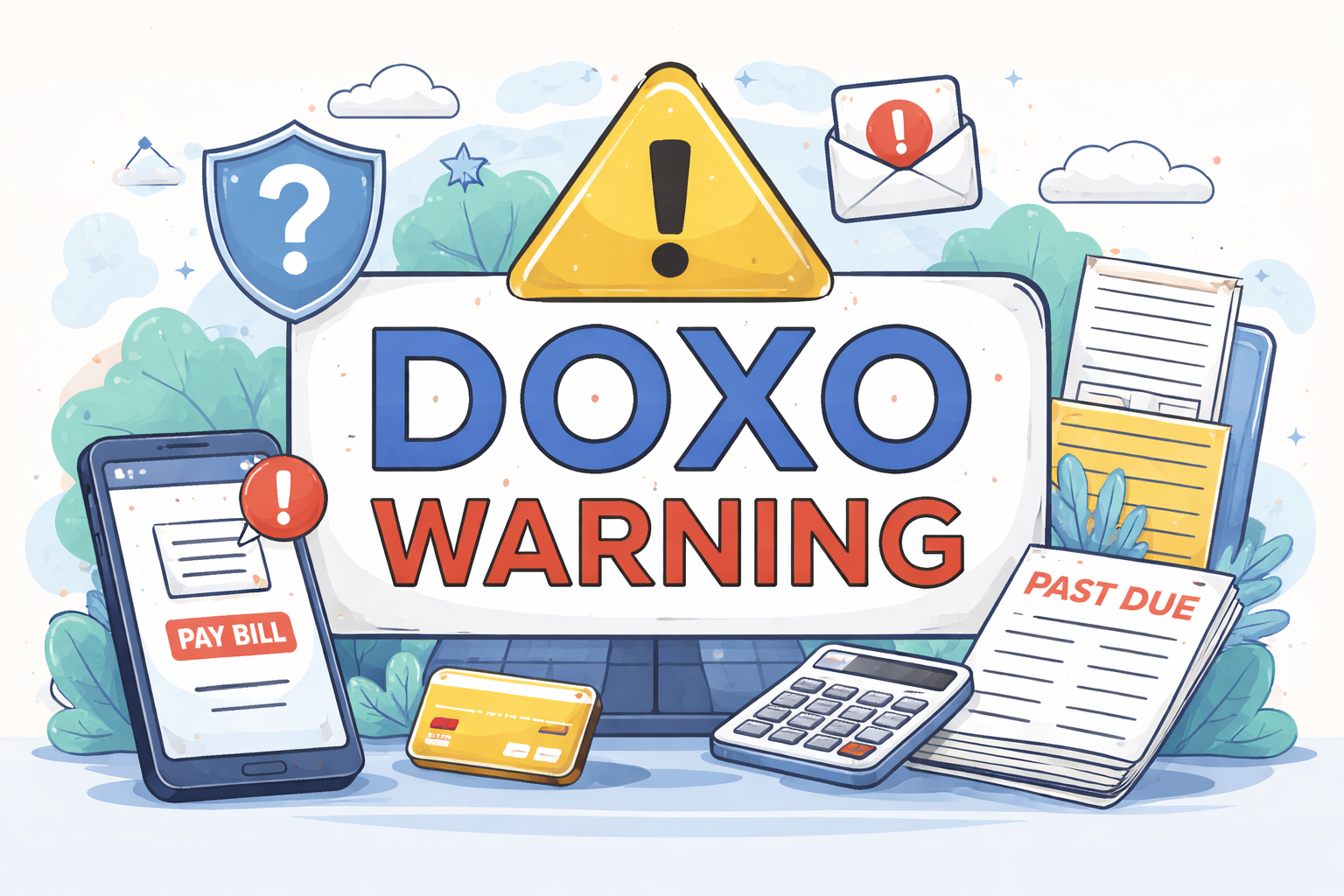
A doxo warning usually refers to alerts, discussions, or concerns related to a digital bill payment platform called Doxo. People search this term when they suspect a problem, such as:
- Paying a bill through a third party they did not intend to use
- Being charged extra fees without clear disclosure
- Receiving emails or payment reminders they do not recognize
- Discovering that a payment was delayed or misdirected
The warning itself is not an official label. It is a user driven term that reflects concern, confusion, or caution.
Most people are not searching because they are curious. They are searching because something already feels off.
Why People Search for This Warning
Search intent matters. In this case, the intent is almost always defensive. Users want to protect themselves.
Based on patterns seen across consumer forums and complaint platforms, people search this term for four main reasons:
- They received a bill or reminder they did not expect
- A payment went through a service they never signed up for
- Fees were higher than what the original company charges
- Customer support from the original provider could not explain the charge
This is not casual browsing. It is problem solving under stress.
How Doxo Works in Simple Terms
To understand the concern, you need to understand the model.
Doxo acts as an intermediary. It allows users to pay bills from many companies in one place. The problem is not the concept. The problem is how people end up using it.
Here is the key detail many users miss.
Doxo is not the billing company. It is a third party.
That distinction matters because:
- Payments may take longer to reach the biller
- Extra processing fees may apply
- Account access is indirect, not direct
- Mistakes are harder to resolve
When people think they are paying a company directly but are not, trust breaks down fast.
Common Scenarios That Trigger a Warning Search
Scenario 1: Google Search Confusion
A user searches for “pay electricity bill online.”
A third party page appears high in results.
The branding looks official.
The user pays.
Later, they realize the payment went through a separate platform with added fees.
This is one of the most common paths.
Scenario 2: Email or Text Reminder Shock
Some users report receiving reminders that look urgent.
The message references a known service provider.
The payment link leads to a third party flow.
The user never remembers signing up.
That gap creates anxiety and distrust.
Scenario 3: Delayed Payment Fallout
A user pays on time.
The billing company still reports non payment.
Late fees apply.
The user is stuck between two systems.
This is where frustration peaks.
Is Doxo a Scam?
This is an important question, and the answer must be precise.
Doxo is a legitimate company. It is not a fake operation.
However, legitimacy does not equal clarity.
Most warnings are not about fraud in the criminal sense. They are about:
- Lack of clear disclosure
- Confusing user journeys
- Unclear relationship with billers
- Unexpected fees
From a consumer perspective, those issues still matter.
Trust is not only about legality. It is about expectation.
The Real Risk Most People Miss
The biggest risk is not losing money outright.
The real risk is loss of control.
When you pay directly through a provider:
- You see real time confirmation
- You deal with one support system
- You control the account relationship
When you pay through an intermediary:
- Timing is uncertain
- Responsibility is split
- Resolution takes longer
That gap creates stress during already sensitive moments, like overdue bills.
Fees and Transparency Issues
One of the most frequent complaints relates to fees.
Users often assume they are paying the same amount they always do.
Later, they notice:
- Convenience fees
- Expedited processing fees
- Card related surcharges
The issue is not that fees exist. The issue is how visible they are.
Many users report noticing fees only after payment confirmation.
That experience fuels warning searches.
Real World Impact on Users
From observed cases and documented complaints, here is what people actually deal with:
- Late fees from the original provider
- Service interruptions
- Time spent contacting multiple support teams
- Stress caused by unclear responsibility
These are not minor inconveniences. They affect utilities, rent, and essential services.
Why Google Searches Amplify the Problem
Search engines do not always distinguish intent.
A user searching for “pay phone bill” wants speed.
They may not notice small disclosures.
Third party payment pages often rank well because they are optimized aggressively.
This creates a mismatch between what the user wants and what they get.
The warning trend grows because the experience feels misleading, even if it was technically disclosed.
How to Tell If You Are on a Third Party Payment Page
Here are practical signs many users overlook:
- The URL does not match the company’s official domain
- The page offers to manage multiple bills at once
- There is language about acting as a payment facilitator
- The login process is separate from your provider account
If any of these appear, pause before paying.
What To Do If You Already Paid Through Doxo
If you are already past that point, focus on action, not blame.
Step 1: Save Confirmation Details
Keep:
- Payment receipt
- Transaction ID
- Date and amount
This is your proof.
Step 2: Contact the Billing Company First
Ask if they have received the payment.
Do not assume delay means failure.
Some payments take several days.
Step 3: Monitor Account Status Closely
Check for:
- Late notices
- Service warnings
- Balance updates
Screenshots help.
Step 4: Escalate Calmly If Needed
If payment is missing after the stated processing window, escalate with documented facts.
Clarity works better than anger.
How to Avoid the Problem in the Future
Prevention is simpler than resolution.
Here are habits that reduce risk significantly.
- Bookmark official billing pages
- Avoid paying from search results under pressure
- Use direct logins from previous statements
- Question any unexpected reminder
These steps sound basic, but they work.
The Psychology Behind Warning Searches
People do not search warnings randomly.
They search because trust has already been shaken.
Financial tasks rely on predictability. When predictability breaks, people seek reassurance.
Understanding this helps explain why the topic keeps resurfacing.
Why This Issue Keeps Coming Back
Three factors drive repetition:
- High volume of utility and service payments
- Stress driven decision making
- Poor disclosure visibility
Until these improve, warnings will continue.
Frequently Asked Questions
Is using Doxo mandatory to pay bills?
No. Most service providers offer direct payment methods through their own websites or apps.
Can payments through Doxo be delayed?
Yes. Since it acts as an intermediary, processing time can be longer than direct payments.
Why do people think Doxo is the biller?
Because some pages resemble official provider pages, especially when accessed through search results.
Are extra fees always charged?
Not always, but many users report higher fees compared to paying directly.
Can a biller refuse a Doxo payment?
Some billers do not officially partner with third party platforms, which can complicate resolution.
Conclusion
The rise of the doxo warning search trend is not about panic. It is about clarity.
People want to know who they are paying, how long it will take, and who is responsible if something goes wrong. When those answers are unclear, trust breaks.
This topic matters because it sits at the intersection of money, urgency, and digital design. Understanding how third party payment platforms work gives you control back.
Being informed is not about avoiding technology. It is about using it on your terms.